
Build Daily Momentum That Reinvents Your Life
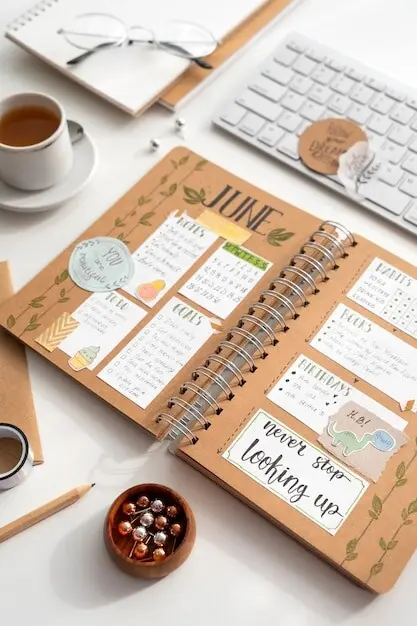
Today we dive into Habit Architecture: Crafting Keystone Routines and Feedback Loops, turning fuzzy motivation into reliable systems. You will map anchors, cues, and tiny wins, then wire in self-correcting signals that keep progress visible and energizing. Expect practical stories, research-backed tactics, and playful experiments you can run tonight. Share what you try, ask questions, and shape the next exploration with your results—because sustainable change spreads fastest when we build it together, step by dependable step.

Keystone Routines: Designing Small Moves With Massive Consequences

Some actions quietly reorganize your day, cascading benefits into sleep, nutrition, focus, and relationships. Here we design a keystone routine that requires little willpower yet nudges everything forward. The trick is starting where resistance is lowest, stacking predictable cues, and building visible proof that your effort matters. By capturing momentum early, you create a rhythm your future self trusts, protecting energy for what truly compounds.

Immediate Signals and Tiny Rewards

Make progress visible within seconds: a checkmark, a timer hitting zero, a streak counter, or a photo in a progress album. Pair completion with a modest reward—tea you love, a song, or a single mindful breath acknowledging effort. Dopamine responds to closure; celebrate closure generously. Keep rewards healthy and non-derailing, reinforcing consistency rather than indulgence. Over time, the process becomes its own satisfying payoff, naturally inviting tomorrow’s repetition.

Review Cadence and Adjustments

Schedule quick, calendar-bound reviews: sixty seconds daily, ten minutes weekly. Ask three questions—What worked? What got in the way? What tiny tweak helps tomorrow? Change one variable at a time: time, location, or scope. Guard against overhauls disguised as improvements. Reviews are steering, not judgment; they keep the loop tight, learning intact, and momentum unbroken. Honest micro-adjustments compound into mastery without the drama of complete restarts.

Environment by Design: Cues, Friction, and Choice Architecture

{{SECTION_SUBTITLE}}

Prime the Path

Stage the opening move where your eyes land first. Lay out shoes by the door, open the document to the exact sentence, or pre-chop vegetables right after groceries arrive. Remove lids, untangle cables, and pre-fill water bottles. The brain follows the easiest channel; make the desirable path smoother than the distracting one. When the path is primed, initiation requires almost no negotiation, and momentum handles the rest without arguments.

Remove Drag and Add Guardrails

Hide distractions behind friction: log out, move apps off the home screen, or keep devices outside the bedroom. Add gentle guardrails like website blockers during focus blocks, or “phone in a drawer” after dinner. Guardrails protect rules you already chose when calm. They are not punishments; they are kindness to your future self, preserving attention for what matters and shrinking decision fatigue before it drains strength.

Pick Evidence You Can Feel Daily

Choose signals that deliver immediate satisfaction: a filled water tracker, a timestamped focus block, or a photographed meal. Avoid vague tallies that blur wins into noise. Daily evidence reduces ambiguity, which reduces procrastination. The more tangible the proof, the less you debate whether today counts. Your confidence rises when reality confirms the identity you claim, inviting tomorrow’s action with less friction and a clearer sense of meaningful momentum.

Build a Personal Dashboard

Design a one-glance view with no more than five items: today’s keystone action, start time, duration, energy rating, and a single sentence reflection. Keep it where action happens, not buried in apps. Simplicity encourages completion, which fuels insight. When the dashboard matches your environment and behavior, it evolves into a trusted mirror that guides choices kindly, revealing when to push, when to pause, and when to pivot.

Identity, Narrative, and Social Proof

Behaviors become durable when they match your identity and community signals. Language shapes expectation; expectation shapes attention; attention shapes action. Write the story you want to inhabit and gather people who reflect it back. Borrow confidence from peers, mentors, or role models while your consistency grows. When your narrative and relationships align, habits feel less like chores and more like expressions of who you are becoming, naturally resilient.

Design a Fail-Safe Restart

Write a three-step script you can execute anytime: say your identity line aloud, perform the tiniest version, and record a compassionate note. Keep tools ready for emergency restarts—index card, timer, water, shoes. Practice the script monthly so it feels familiar under stress. The goal is re-entry speed, not perfection. When returns are effortless, setbacks shorten, and consistency regains its rhythm before doubt gathers strength.

Turn Plateaus Into Labs

When progress stalls, switch from scoring to experimenting. Change one variable—time, location, or scope—and run it for seven days. Track energy and ease, not only output. Plateaus often signal maturity, not failure; your system is ready for refinement. Treat this stage like apprenticeship with your own behavior, discovering elegant adjustments that reignite interest and momentum without burning extra hours or demanding impossible bursts of motivation.

Celebrate Returns, Not Streaks

Streaks shatter easily; returns build character. Replace streak counters with a “return rate” metric—how quickly you resume after disruption. Celebrate the first day back with intentional kindness: a note, a warm beverage, a smile. This teaches your brain that coming home is safe and valued. Over time, resilience becomes your real advantage, outlasting distractions, travel, and tough seasons without dramatic resets or all-or-nothing collapses.

From Personal Systems to Team Rituals

Great teams run on shared cues, visible progress, and rhythmic reflection. Translate individual routines into lightweight rituals the group can uphold under pressure. Keep ceremonies brief, data honest, and experiments small. Align keystone actions with collective outcomes, then protect them with calendars, checklists, and friendly guardrails. When loops close publicly, trust rises, silos soften, and throughput climbs—not through heroics, but through dependable collaboration everyone can maintain.
Zeralivoravolento
Privacy Overview

This website uses cookies so that we can provide you with the best user experience possible. Cookie information is stored in your browser and performs functions such as recognising you when you return to our website and helping our team to understand which sections of the website you find most interesting and useful.